Health Care Marketing
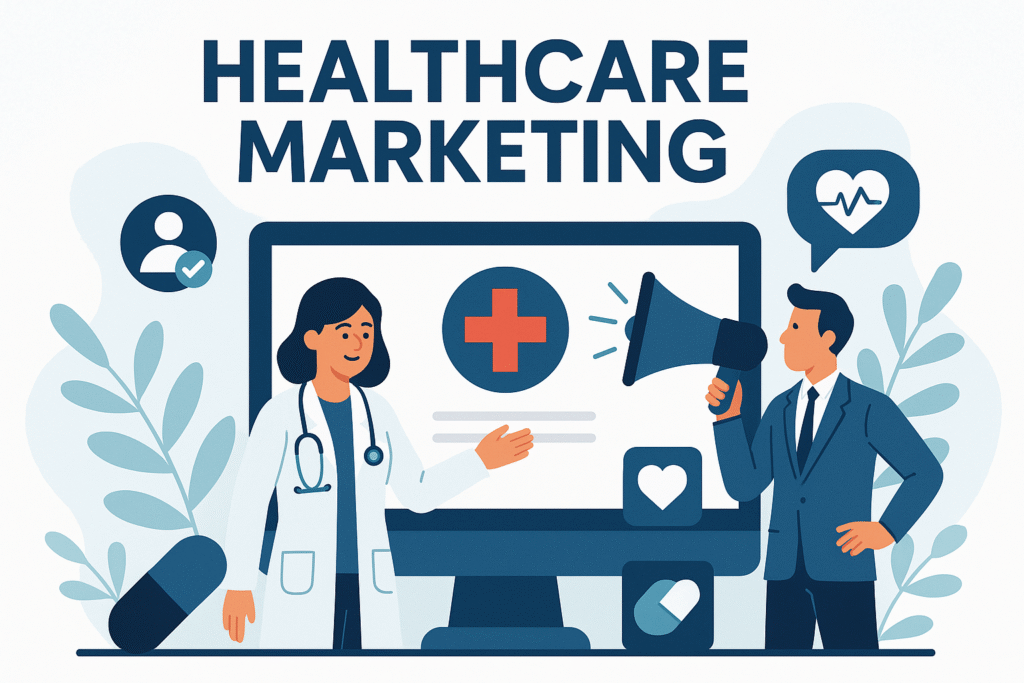
In today’s highly competitive healthcare environment, simply offering quality medical services is no longer enough to attract and retain patients. Health care marketing has emerged as a crucial discipline to help clinics, hospitals, and individual practitioners connect with their ideal audience, build trust, and sustainably grow their practice.
In this comprehensive guide, we’ll cover:
What is health care marketing
Why marketing is essential in the medical field
How to create a successful health care marketing plan
Key health care marketing strategies that work in 2025
Practical steps to implement and scale your marketing system
Whether you’re starting a private clinic or leading a large medical institution, this guide is designed to give you clarity and direction.
What is Health Care Marketing?
Health care marketing refers to the process of promoting health services, facilities, or professionals through strategic communication designed to attract, engage, and retain patients.
Unlike traditional marketing, health care marketing is built around trust, empathy, and education. It involves connecting with your ideal patient audience by delivering relevant, accurate, and helpful information that guides them to make informed health decisions.
Core Objectives of Health Care Marketing:
Increase patient acquisition and retention
Build long-term brand trust and authority
Improve patient communication and experience
Differentiate your clinic from competitors
Promote specific services or treatments
Enhance community engagement and online visibility
Why Do You Need a Health Care Marketing Plan?
A well-structured Health Care Marketing Plan acts as a roadmap that aligns your business goals with actionable marketing tactics.
Without a clear plan, most clinics waste resources on scattered efforts like running generic ads or inconsistent social media posts. A plan brings focus, efficiency, and results.
Key Benefits of a Marketing Plan:
Clear positioning and brand identity
Targeted communication based on patient personas
Measurable ROI through tracking and KPIs
Integration between online and offline channels
Predictable patient acquisition and retention
If you’re serious about growing your practice sustainably, a marketing plan is not optional—it’s essential.
How to Build a Health Care Marketing Plan (Step by Step)
1. Define Your Goals
What do you want to achieve in the next 6–12 months? Common goals include:
Increase appointments by X%
Grow brand awareness
Launch a new treatment or department
Improve online reviews and reputation
2. Understand Your Ideal Patient
Build a patient persona based on:
Demographics (age, gender, location)
Health concerns
Online behavior and search habits
Motivations and pain points
3. Perform a Competitive Audit
Identify what other clinics or professionals are doing:
Website design and content
Google reviews and social proof
Social media presence
Advertising platforms and messaging
4. Map the Patient Journey
From first contact to post-treatment follow-up:
Awareness: SEO, content, ads
Consideration: testimonials, FAQs, landing pages
Decision: booking system, consultation offers
Loyalty: email follow-up, feedback, education
5. Set a Budget
Allocate your marketing budget across key channels:
Paid ads (Google, Meta)
SEO and content creation
Website improvements
CRM and email marketing
Design and branding
Health Care Marketing Strategies That Work in 2025
1. Content Marketing with Medical Authority
Educational blogs, videos, and guides that answer real patient questions. Helps build SEO, trust, and leads.
🔗 Want content like this? Check out our free eBook on growing your clinic.
2. Local SEO & Google My Business
Appear in top searches like “clinic near me” or “dermatologist in Madrid.” Optimize listings, get reviews, and update photos.
3. Social Media Marketing
Create engaging posts and Reels that showcase:
Before/after results
Patient testimonials
Behind-the-scenes with the medical team
Educational tips in your specialty
Focus on TikTok, Instagram, and YouTube Shorts for the best organic reach.
4. Paid Advertising (Google Ads + Meta Ads)
Use targeted ads to attract new patients:
Search Ads for high-intent keywords
Display Ads for awareness
Retargeting for visitors who didn’t book yet
5. Email & WhatsApp Automation
Keep patients informed and loyal with:
Appointment reminders
Post-treatment care tips
Exclusive offers and seasonal campaigns
6. Reputation Management
Encourage reviews, respond to feedback, and build a strong online reputation.
Best Practices to Stand Out in the Health Care Industry
Use real doctor photos and videos to build credibility
Create a fast, mobile-optimized website
Offer online booking and easy access to information
Maintain consistent branding across all platforms
Be empathetic, not just promotional, in your messaging
Conclusion: Build a Scalable Marketing System for Your Practice
Whether you’re a dermatologist, plastic surgeon, dentist, or psychologist—health care marketing is no longer optional.
It’s the bridge between your clinical excellence and the patients who need it.
By following the steps in this guide and implementing a smart Health Care Marketing Strategy, you’ll not only attract more patients but also build a brand that lasts.
🎁 Want expert help?
👉 Book your free 1:1 consultation with Inprovex, the health care marketing specialists:
https://inprovex.com/consultoria-gratuita

![¿Tienes un centro de estética y quieres aparecer en Google cuando tus clientes potenciales buscan servicios como limpieza facial, láser o tratamientos corporales? Entonces necesitas aplicar una estrategia de SEO para centros de estética. En este artículo, descubrirás qué es el SEO, por qué es fundamental para tu negocio estético y cómo puedes comenzar a implementarlo paso a paso para atraer más pacientes a tu clínica o centro. ¿Qué es el SEO y por qué es importante para tu centro de estética? El SEO (Search Engine Optimization) es el conjunto de estrategias para mejorar la visibilidad de tu página web en los motores de búsqueda como Google. Aplicar SEO en tu centro estético te permite: Atraer pacientes que están buscando tus servicios en tu zona Aparecer por delante de la competencia en búsquedas clave Tener una fuente de tráfico constante sin pagar publicidad Posicionarte como una clínica profesional y confiable Ventajas del SEO para clínicas de estética 1. Tráfico cualificado Las personas que buscan “depilación láser en [tu ciudad]” están interesadas en contratar el servicio. Es tráfico de calidad, con alta probabilidad de conversión. 2. Posicionamiento local Gracias al SEO local, puedes aparecer en los primeros resultados de Google Maps cuando alguien busque tratamientos estéticos cerca. 3. Ahorro en publicidad El SEO es una inversión a largo plazo. A diferencia de los anuncios, no tienes que pagar por cada clic o visita. 4. Autoridad de marca Una web bien posicionada transmite confianza. Tus potenciales pacientes te verán como una clínica referente. ¿Cómo aplicar SEO en tu centro de estética? Aquí te mostramos los pasos clave para comenzar: 1. Optimiza tu página web Tu web debe estar diseñada para pacientes, ser rápida, segura, y con contenido útil. Usa las palabras clave que tus pacientes buscarían, como: Tratamientos faciales en [tu ciudad] Limpieza facial profunda Eliminación de manchas con láser Centro estético especializado en... 2. Crea contenido útil Tener un blog con consejos estéticos, explicación de tratamientos y dudas frecuentes no solo educa, también posiciona. Ejemplos de artículos: “¿Qué es la radiofrecuencia facial y cómo funciona?” “5 beneficios del ácido hialurónico en estética” “Cuándo empezar con la depilación láser” 3. SEO Local con Google Business Profile Asegúrate de tener optimizado tu perfil de Google Business: Horarios, teléfono y ubicación actualizados Fotos reales de la clínica Reseñas de pacientes satisfechos Categoría correcta (centro estético / clínica estética) Esto te ayudará a salir en los primeros resultados cuando alguien busque “clínica estética cerca de mí”. 4. Linkbuilding y menciones Consigue enlaces desde medios, blogs de estética o directorios locales. Esto le dice a Google que tu web es relevante. ¿Cuánto tiempo tarda en verse el SEO? Los resultados no son inmediatos, pero sí duraderos. Normalmente, puedes empezar a ver mejoras en tráfico y posicionamiento a partir de los 3 meses, con resultados más estables a los 6-12 meses. ¿Quién puede ayudarte? Aunque puedes empezar por tu cuenta, lo ideal es contar con una agencia especializada en marketing estético y posicionamiento web para clínicas. En Inprovex, trabajamos con centros de estética de toda España ayudándoles a posicionarse en Google, atraer pacientes y automatizar su crecimiento. Conclusión Si quieres que tu centro estético sea referente en tu ciudad y atraer pacientes sin depender solo de Instagram o campañas de pago, el SEO es la clave. Una estrategia bien planteada te dará visibilidad, autoridad y pacientes constantes en el tiempo. CTA Final ¿Te gustaría analizar gratis el posicionamiento actual de tu clínica? 👉 Reserva ahora una consultoría 1 a 1 gratuita con un experto de Inprovex y te diremos qué mejorar paso a paso: https://inprovex.com/consultoria-gratuita](https://inprovex.com/wp-content/uploads/2025/08/20250814_1627_Marketing-Digital-Estetico_simple_compose_01k2mfjy79e7r80atxxz65k633-300x200.png)