When it comes to growing a business, the terms marketing and advertising are often used interchangeably. However, they are not the same thing. Understanding the difference between these two concepts is essential for any professional or business owner who wants to make informed decisions about their promotional strategies.
In this article, we’ll break down what each term means, how they work together, and why understanding the distinction is crucial for success—no matter the industry you’re in.
What is Marketing?
Marketing is the broad strategy used to attract, engage, and retain customers. It includes everything from market research and branding to content creation and customer service.
It’s a long-term process that encompasses all the efforts aimed at understanding the market, identifying customer needs, and offering solutions that create value.
Key components of marketing:
Market research
Branding and positioning
Content strategy
Social media and SEO
Pricing strategy
Customer experience
Analytics and optimization
Marketing asks: “What does my customer need, and how can I provide it in a way they trust and value?”
What is Advertising?
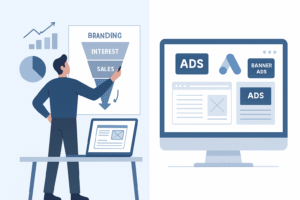
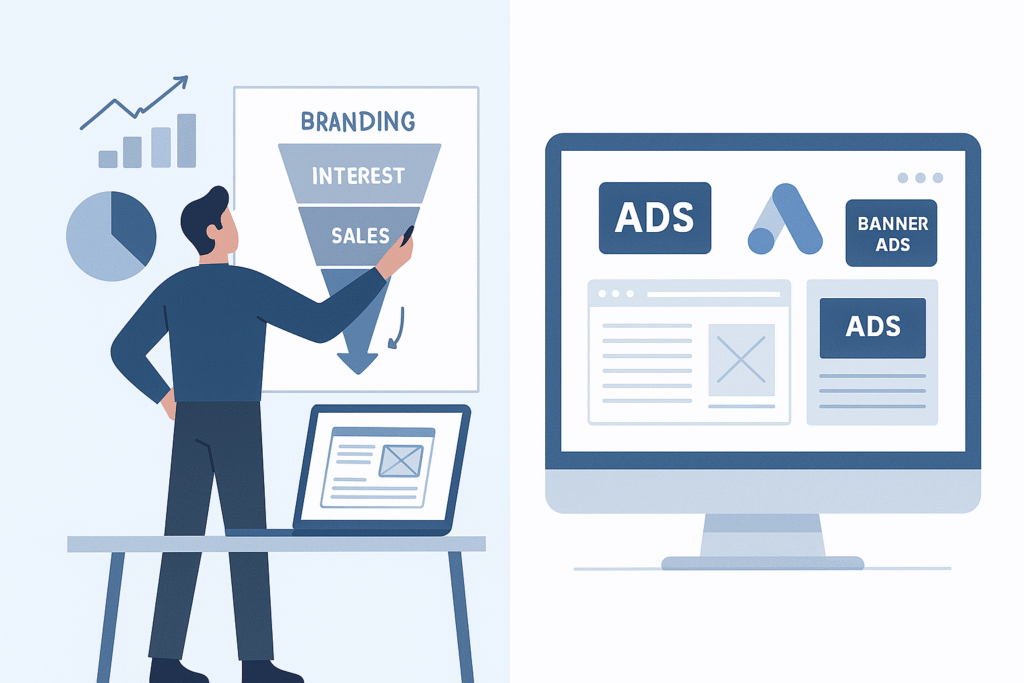
Advertising is a specific component of marketing focused on promoting a product, service, or brand through paid channels. It’s the act of placing messages in front of an audience with the intent to influence them to take action.
While marketing is the strategy, advertising is the tactic.
Common advertising channels include:
Google Ads
Facebook, Instagram, and TikTok Ads
Television and radio
Billboards and print media
Sponsored content or influencer collaborations
Advertising asks: “How can I get my message in front of the right people at the right time to generate sales or leads?”
The Main Differences Between Marketing and Advertising
| Aspect | Marketing | Advertising |
|---|---|---|
| Scope | Broad, long-term strategy | Narrow, short-term execution |
| Goal | Build relationships, position brand | Drive immediate awareness or sales |
| Tactics | Research, content, branding, SEO | Paid media placements, campaigns |
| Duration | Ongoing | Campaign-based |
| Cost | May include unpaid strategies | Usually requires a dedicated budget |
How Do Marketing and Advertising Work Together?
Think of marketing as the architecture and advertising as the paint. You can’t paint a building that doesn’t exist.
Marketing lays the foundation: understanding your audience, shaping your brand, and creating a plan. Advertising then brings visibility to that foundation—delivering your message in a way that creates interest and demand.
A strong brand will make your advertising more effective, and good advertising will support your broader marketing strategy.
Examples by Sector
In Healthcare:
Marketing: Building a trustworthy online presence through a branded website, SEO, and patient testimonials.
Advertising: Promoting a new treatment or clinic opening via Meta Ads or Google Ads.
In Real Estate:
Marketing: Developing a brand as a luxury realtor, producing content on property trends.
Advertising: Running paid campaigns to showcase available properties.
In E-Commerce:
Marketing: Creating an email funnel, improving product pages, working with influencers.
Advertising: Launching PPC ads during product launches or sales periods.
Why Understanding the Difference Matters
Confusing marketing with advertising can lead to poor allocation of time and money. Some businesses overspend on ads without a clear strategy, while others focus on content but fail to promote it effectively.
If you want long-term growth, you need both: a well-defined marketing strategy and well-executed advertising campaigns.
Final Thoughts
Marketing and advertising go hand in hand—but they are not the same. One is the map, the other is the vehicle. To grow your business, you need to understand your audience, build trust, and then amplify your message.
Ready to build a strategy that works for your business?
👉 Contact our team for a personalized marketing audit and start converting more customers today.

![¿Tienes un centro de estética y quieres aparecer en Google cuando tus clientes potenciales buscan servicios como limpieza facial, láser o tratamientos corporales? Entonces necesitas aplicar una estrategia de SEO para centros de estética. En este artículo, descubrirás qué es el SEO, por qué es fundamental para tu negocio estético y cómo puedes comenzar a implementarlo paso a paso para atraer más pacientes a tu clínica o centro. ¿Qué es el SEO y por qué es importante para tu centro de estética? El SEO (Search Engine Optimization) es el conjunto de estrategias para mejorar la visibilidad de tu página web en los motores de búsqueda como Google. Aplicar SEO en tu centro estético te permite: Atraer pacientes que están buscando tus servicios en tu zona Aparecer por delante de la competencia en búsquedas clave Tener una fuente de tráfico constante sin pagar publicidad Posicionarte como una clínica profesional y confiable Ventajas del SEO para clínicas de estética 1. Tráfico cualificado Las personas que buscan “depilación láser en [tu ciudad]” están interesadas en contratar el servicio. Es tráfico de calidad, con alta probabilidad de conversión. 2. Posicionamiento local Gracias al SEO local, puedes aparecer en los primeros resultados de Google Maps cuando alguien busque tratamientos estéticos cerca. 3. Ahorro en publicidad El SEO es una inversión a largo plazo. A diferencia de los anuncios, no tienes que pagar por cada clic o visita. 4. Autoridad de marca Una web bien posicionada transmite confianza. Tus potenciales pacientes te verán como una clínica referente. ¿Cómo aplicar SEO en tu centro de estética? Aquí te mostramos los pasos clave para comenzar: 1. Optimiza tu página web Tu web debe estar diseñada para pacientes, ser rápida, segura, y con contenido útil. Usa las palabras clave que tus pacientes buscarían, como: Tratamientos faciales en [tu ciudad] Limpieza facial profunda Eliminación de manchas con láser Centro estético especializado en... 2. Crea contenido útil Tener un blog con consejos estéticos, explicación de tratamientos y dudas frecuentes no solo educa, también posiciona. Ejemplos de artículos: “¿Qué es la radiofrecuencia facial y cómo funciona?” “5 beneficios del ácido hialurónico en estética” “Cuándo empezar con la depilación láser” 3. SEO Local con Google Business Profile Asegúrate de tener optimizado tu perfil de Google Business: Horarios, teléfono y ubicación actualizados Fotos reales de la clínica Reseñas de pacientes satisfechos Categoría correcta (centro estético / clínica estética) Esto te ayudará a salir en los primeros resultados cuando alguien busque “clínica estética cerca de mí”. 4. Linkbuilding y menciones Consigue enlaces desde medios, blogs de estética o directorios locales. Esto le dice a Google que tu web es relevante. ¿Cuánto tiempo tarda en verse el SEO? Los resultados no son inmediatos, pero sí duraderos. Normalmente, puedes empezar a ver mejoras en tráfico y posicionamiento a partir de los 3 meses, con resultados más estables a los 6-12 meses. ¿Quién puede ayudarte? Aunque puedes empezar por tu cuenta, lo ideal es contar con una agencia especializada en marketing estético y posicionamiento web para clínicas. En Inprovex, trabajamos con centros de estética de toda España ayudándoles a posicionarse en Google, atraer pacientes y automatizar su crecimiento. Conclusión Si quieres que tu centro estético sea referente en tu ciudad y atraer pacientes sin depender solo de Instagram o campañas de pago, el SEO es la clave. Una estrategia bien planteada te dará visibilidad, autoridad y pacientes constantes en el tiempo. CTA Final ¿Te gustaría analizar gratis el posicionamiento actual de tu clínica? 👉 Reserva ahora una consultoría 1 a 1 gratuita con un experto de Inprovex y te diremos qué mejorar paso a paso: https://inprovex.com/consultoria-gratuita](https://inprovex.com/wp-content/uploads/2025/08/20250814_1627_Marketing-Digital-Estetico_simple_compose_01k2mfjy79e7r80atxxz65k633-300x200.png)